
The surgery takes a few hours. The recovery takes a few months. That is the part nobody posts about, yet your lipo 360 recovery shapes your final result just as much as the operation itself.
Here is a realistic, week-by-week guide so you know what is normal, what helps and when to call your clinic.
What Lipo 360 Recovery Really Looks Like
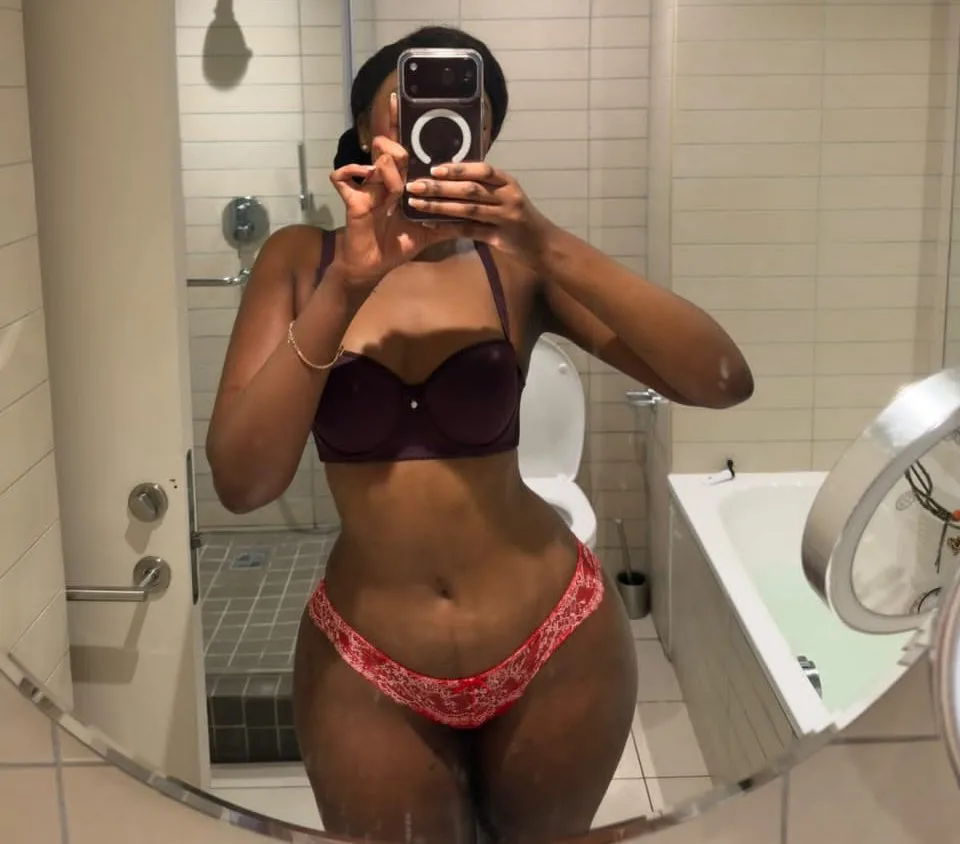
Lipo 360 treats your whole midsection: the abdomen, waist, flanks and back. Because such a large area is treated at once, your lipo 360 recovery involves more swelling and bruising than a small, single-area liposuction.
Most patients feel ready for light activity within one to two weeks, return to desk work in around two weeks and resume full exercise at six weeks or later, depending on their surgeon’s advice. Swelling then settles gradually over three to six months.
The key thing to remember is that recovery is not a straight line. You may look slimmer on day five and puffier on day ten. That is normal, and it is why patience matters so much.
Week One: Rest, Drain and Be Kind to Yourself
The first few days are the toughest. Expect soreness, tightness, bruising and some fluid leaking from the small incisions. This drainage is your body’s way of clearing excess fluid, so keep pads handy.
- Wear your stage one compression garment (faja) day and night, removing it only to shower
- Walk gently around the house every few hours to keep your blood flowing and lower the risk of clots
- Drink plenty of water and eat protein-rich meals to support healing
- Take your medication exactly as prescribed
Have someone at home with you for the first couple of days. You will be grateful for the help.
Weeks Two to Four: The Faja and Lymphatic Massage Phase
By now the drainage has usually stopped and you will start feeling more like yourself. Many patients move to a firmer stage two faja during this period. Compression helps reduce swelling and supports your skin as it tightens around your new contours.
This is also prime time for lymphatic drainage massage. These gentle sessions help move trapped fluid and can reduce hard, lumpy areas known as fibrosis. A common recommendation is two to three sessions a week in the early weeks, but always follow your own surgeon’s plan.
Our patients regularly mention the massages as a highlight of their aftercare. As one put it, “The masseuses did very well.”
Weeks Four to Twelve: Watching Your Shape Appear
Somewhere in this window, the fun begins. Swelling drops noticeably, clothes start fitting differently and your new waistline becomes easier to see.
You can usually build back into exercise gradually after your surgeon clears you, starting with walking and light cardio before heavier training. Keep wearing your faja for as long as you are advised, often six to eight weeks.
Some areas, particularly the lower abdomen, hold swelling longer than others. Try not to judge your result in the mirror every morning. Take a progress photo once a week instead; it is far more encouraging.
Warning Signs to Watch For
Most recoveries are smooth, but call your clinic straight away if you notice:
- Fever, or redness and heat spreading around an incision
- Pain that gets worse instead of better
- One leg suddenly swollen, painful or warm
- Shortness of breath or chest pain, which needs emergency care
A good clinic wants to hear from you. Never feel embarrassed about checking in.
Final Thoughts
A smooth lipo 360 recovery comes down to rest, compression, lymphatic massage, good nutrition and patience. Follow your aftercare plan, keep your follow-up appointments and give your body the months it needs to reveal your final result.
Considering liposuction? Learn more about lipo at Indigo or book a consultation to plan your journey with us.
This article is for general information and is not a substitute for a medical consultation.