
You had it cut out, waited patiently, and then watched it grow back, sometimes bigger than before. If that sounds familiar, you are not imagining things. Keloids are famously stubborn, and choosing the right keloid treatment makes all the difference.
Let’s look at why keloids return and what genuinely helps.
Why Keloids Come Back After Treatment
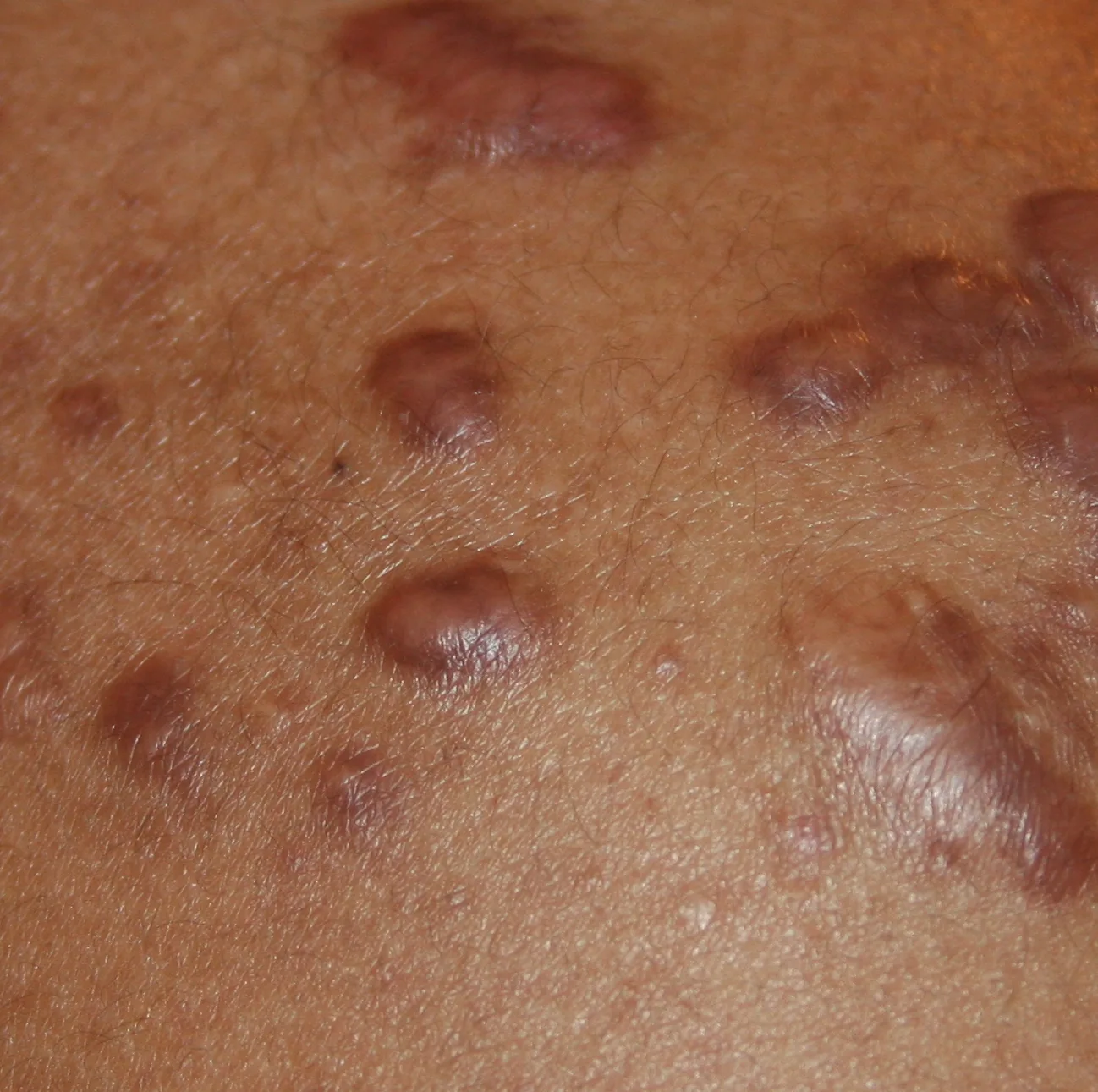
A keloid is a scar that does not know when to stop. After an injury, such as a piercing, surgery, acne or even a small scratch, the skin produces collagen to heal. In a keloid, that collagen production keeps going, and the scar spreads beyond the original wound.
Keloids are more common in people with darker, pigmented skin, and they often run in families. That is why so many Nigerians deal with them on earlobes, chests, shoulders and jawlines.
The big problem with surgery alone is that cutting a keloid out creates a brand-new wound. For many people, that wound simply triggers another keloid. This is why effective keloid treatment rarely relies on one method by itself.
The Main Keloid Treatment Options
Most specialists build a plan from a combination of the following:
- Steroid injections: injected directly into the keloid every few weeks to flatten it, soften it and relieve itching
- Laser therapy: used to reduce redness, thickness and texture, often alongside injections
- Surgical removal: sometimes used for large keloids, but almost always followed by other treatments to stop regrowth
- Pressure therapy: special pressure earrings or garments worn after treatment, especially for earlobe keloids
- Silicone gels or sheets: a simple at-home option that helps keep scars flatter
Your plan should be tailored to the type, size and location of your scar.
Lasers and Darker Skin
Lasers can be very helpful for keloids, but on darker skin they must be used carefully to avoid patches of lighter or darker pigmentation.
Recent case reports show that conservatively used fractional CO2 laser can safely improve keloid appearance in darker skin types, particularly when steroid injections alone have stopped working. Long-wavelength lasers are also considered gentler on melanin-rich skin. The key is an experienced practitioner who adjusts settings for your skin, not a one-size-fits-all approach.
How to Lower the Chance of Regrowth
Even with the best treatment, keloids can recur, so prevention matters. These habits help:
- Attend every follow-up appointment, even when the scar looks better
- Wear pressure earrings or garments for as long as advised
- Avoid new piercings or tattoos if you are keloid-prone
- Treat acne early so it does not leave scars behind
- Tell any surgeon or doctor about your keloid history before a procedure
Patience pays off here. Keloid treatment is usually a series of visits rather than a single appointment.
When to See a Specialist
Book an assessment if your scar is growing, itching, painful or affecting your confidence. Do not try to cut, tie off or burn a keloid at home. These approaches can cause infection and almost always make the keloid worse.
Final Thoughts
Keloids come back because the skin’s healing response is overactive, and surgery alone often restarts it. The most effective keloid treatment combines methods such as injections, laser and pressure therapy, guided by someone experienced with darker skin.
Clearer skin is possible. Learn about our keloid and scar resurfacing or book a consultation to create a plan for your skin.
This article is for general information and is not a substitute for a medical consultation.